The short answer is yes. But let us explain why, because the “how” is what actually changes the game for your practice.
Most plastic surgery centers are spending money on digital advertising. The problem is that most of that money is being wasted. Broad Meta campaigns targeting a 50-mile radius. Generic Google Search ads are competing against national chains with massive budgets. Social media posts that get likes but bring in zero consults.
Here is the truth: plastic surgery is a hyper-local service. Almost nobody travels three states away for a rhinoplasty consultation. Your next patient is already within 10 to 15 miles of your front door. The question is, are your ads reaching them specifically?
That is exactly the problem hyper-local geofencing solves.
What Is Hyper-Local Geofencing Advertising?
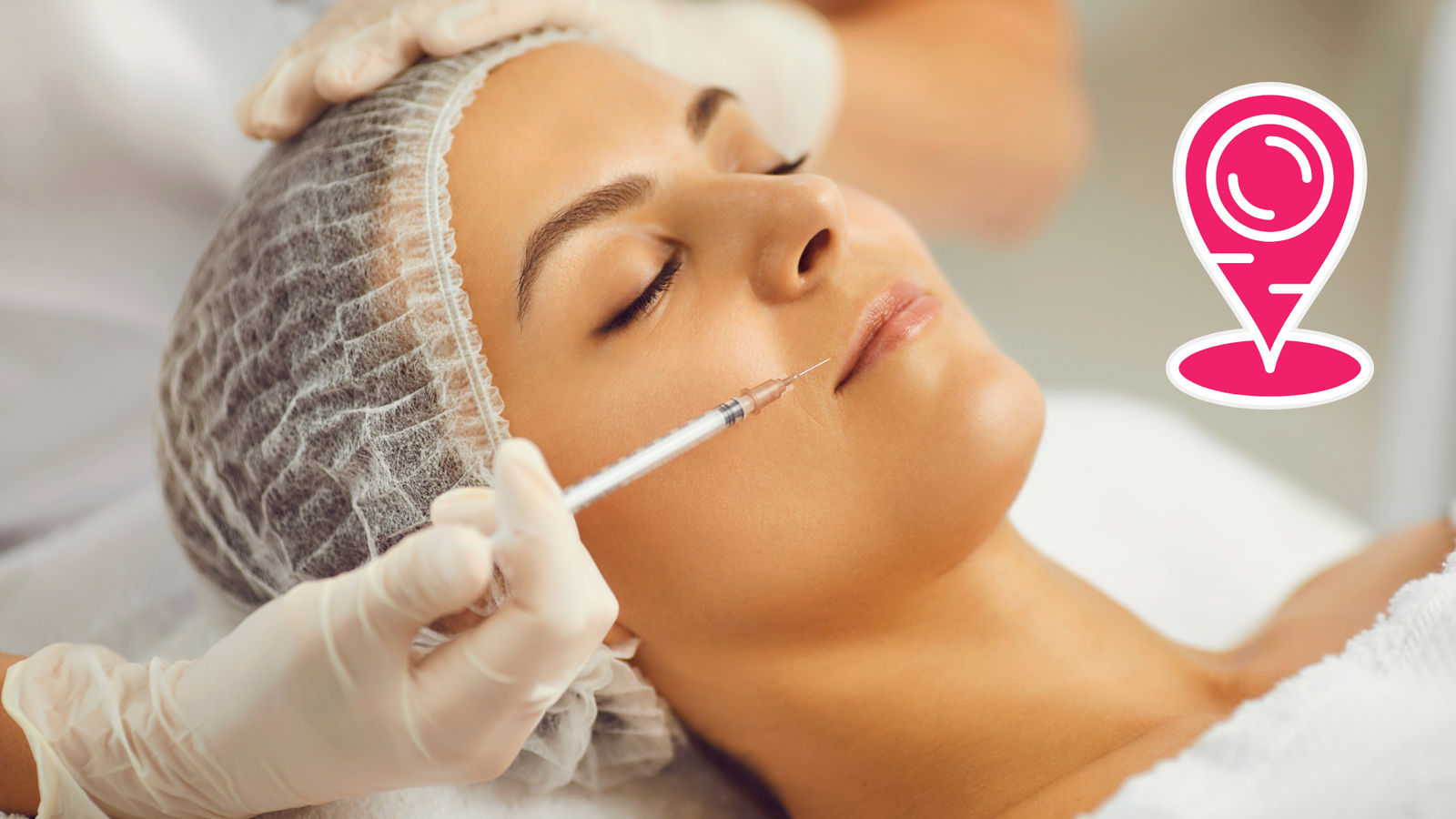
Geofencing is a location-based advertising method where you draw a virtual boundary around a specific geographic area. Anyone who enters that boundary with their mobile device becomes eligible to see your ads.
It sounds simple. But when you apply it strategically to the aesthetics and plastic surgery market, it becomes one of the most cost-efficient patient acquisition tools available.
Here is a practical example. You can set up a geofence around:
- Competitor plastic surgery clinics in your city
- Medical spas and dermatology offices nearby
- High-income zip codes within your metro area
- Fitness centers, yoga studios, and wellness brands
- Bridal boutiques and luxury retail locations
Every person who walks into those locations is automatically added to your ad audience. Then, for the next 30 days, your ads follow them across their apps, mobile browsers, and social feeds.
That is remarkably targeted. And it works.
The Numbers That Make a Compelling Case
Before we get into the how, let us look at the why through the lens of data.
The global aesthetic medicine market is projected to hit USD 26.6 billion by 2030, growing at a CAGR of over 10%. That growth is happening locally, one city at a time.
According to research by NinthDecimal, location-based mobile advertising drives a 46% average lift in foot traffic for healthcare and wellness services. Meanwhile, the American Society of Plastic Surgeons reports that over 90% of people searching for aesthetic procedures are comparing multiple providers before making a decision.
What does that mean for you? It means your patient is actively researching. They are visiting competitor websites. They are browsing before-and-after galleries. And they are making a decision largely based on who shows up consistently in front of them during that research window.
Geofencing ensures you show up during that window. Every single time.
According to LocaliQ’s healthcare search advertising benchmarks, the average cost per lead for plastic and cosmetic surgery sits at $102.51 on broad search campaigns.
Hyper-local targeting, by narrowing your audience to only high-intent people within your specific market, is one of the most effective ways to bring that number down significantly.
Where Most Plastic Surgery Centers Go Wrong with Digital Ads
We work with medical and aesthetic practices across the US and globally through Socinova and Trigacy, and the same mistakes come up again and again.
Targeting is too broad. A 25-mile radius in a major metro means you are reaching hundreds of thousands of people. Most of them will never need or afford your services. Every impression you pay for on the wrong person is money down the drain.
The messaging is too generic. “Book your free consultation today” is not a compelling reason for someone to stop scrolling. It says nothing about who you are, what you specialize in, or why your center is the right choice.
There is no follow-up strategy. Someone clicks your ad. They visit your landing page. They leave. And then you never reach them again. That is a lead you already paid for, gone forever.
There is no local trust signal. Patients choosing plastic surgery are making a deeply personal decision. They want to see that you live in their community, that real people near them have chosen you, and that your practice stands apart from every other faceless provider in the market.
Hyper-local geofencing, when paired with the right creative and a solid retargeting strategy, fixes every single one of these problems.
How Hyper-Local Geofencing Actually Works in Practice
Here is the step-by-step breakdown we help our clients execute.
Step 1: Define Your Geofence Zones
This is where strategy starts. You are not just drawing a circle around your clinic. You are thinking about where your ideal patient spends time.
For a plastic surgery center, that typically includes:
- Competitor clinics and medical spas (conquest targeting)
- Upscale gyms, Pilates studios, and yoga centers
- Bridal shops and wedding venues
- Dermatology practices
- High-income residential neighborhoods and luxury shopping districts
Each zone has a different intent signal. Someone walking into a competitor’s clinic is actively in the market. Someone at a high-end gym is likely health-conscious and invested in their appearance. Or they could be at a bridal boutique planning a procedure before a major life event.
You target all of them. You just speak to each group slightly differently.
Step 2: Build Audience Segments
Once your geofence zones are live, the platform starts building audience segments based on who enters those zones. This is not hypothetical reach. These are real people who have physically visited locations where high purchase intent for aesthetic services runs strong.
This is where geofencing starts doing work that traditional digital ads simply cannot replicate.
Step 3: Serve Hyper-Relevant Creative
Now your ads need to do their job. Generic ads waste even the most targeted audiences. What works here is:
- Before-and-after imagery (where platform policies allow)
- Surgeon credentials and social proof from local patients
- Procedure-specific messaging matched to the zone (e.g., body contouring ads served to gym-goers)
- Time-sensitive consultation offers with a clear, low-friction CTA
- Video testimonials from patients in your area
Our social media advertising packages are built specifically to handle the creative side of this. We know what copy and visuals convert in the aesthetics space because we have done the testing.
Step 4: Retarget Everyone Who Engages
Someone saw your ad three times but did not book. That is actually a warm lead. Do not let them go cold.
A proper retargeting campaign re-engages those people with slightly different messaging. Maybe a patient testimonial this time, a limited-time offer, or a behind-the-scenes video of your clinic to build trust.
On average, retargeted users are 70% more likely to convert than first-time viewers. That number matters enormously in a high-ticket service like plastic surgery, where the average procedure runs between $5,000 and $15,000.
Step 5: Close the Loop with a Conversion Funnel
Ad clicks mean nothing if your landing page is not built to convert. This is where most clinics lose the battle, even when their ads are performing.
Your landing page needs to load fast, communicate trust immediately, and make it dead easy to book a consultation. No friction, long forms, or confusing navigation.
That is exactly why we build high-converting sales funnels designed specifically for service businesses that need to move a prospect from cold to booked within one visit.
The Local Market Share Piece: Why Geofencing Compounds Over Time
Here is something most paid ad agencies will not tell you. Geofencing is not just a short-term lead generation tactic. However, when you run it consistently, it builds something much more valuable: local dominance.
Think about it this way. For example, if your ads are the only ones showing up every time someone in your city enters a competitor’s parking lot, walks into a luxury gym, or browses a bridal boutique, you start owning the visual real estate in your prospect’s mind.
This is called top-of-mind positioning. Moreover, it is worth more than any one lead.
A potential patient may not book the first time they see your ad, or the second. But by the fifth or sixth touchpoint, when they finally decide they are ready for that procedure, your practice is therefore the name they remember. You are not a vendor they found on Google. You are the practice they have “been meaning to call.”
Ultimately, that is the local market share. And it compounds every single month you run the campaign.
Our demand generation approach at Trigacy is built on exactly this principle. You build a pipeline early. You nurture it consistently. And when the patient is ready, you are already the obvious choice.
Platforms Where Geofencing Can Be Deployed
You are not limited to one channel here. Effective hyper-local geofencing can run across:
Meta (Facebook and Instagram): Location-based custom audiences let you layer demographic and interest filters to reach women aged 30 to 55 in high-income zip codes who follow beauty, wellness, or lifestyle accounts.
Google Display Network: Reach your geofenced audience across millions of websites and apps as they browse outside of social media.
Programmatic Display: More sophisticated and broader reach, useful for practices with larger ad budgets looking to saturate a local market.
YouTube and Reels Ads: Video is incredibly powerful for aesthetic services. A 15-second patient testimonial served to someone who just left a competitor clinic is enormously effective.
Connected TV (CTV): Streaming platforms are now offering location-based ad targeting. This is newer but growing fast in healthcare and wellness marketing.
Our social media management and advertising teams work across all of these channels. We help you decide where to start based on your budget and market size, and we scale from there.
What About Compliance and Privacy?
This is a fair concern. Healthcare advertising comes with real regulatory considerations, particularly around HIPAA in the US.
Geofencing, when done correctly, does not use any protected health information. You are targeting based on location behavior, not medical records. No PHI is collected or used in these campaigns.
That said, ad copy and landing pages do need to be thoughtful. Claims about results need to be evidence-based. Before-and-after imagery has restrictions on certain platforms. Retargeting flows need to be built with the right opt-out and consent mechanisms.
This is actually one of the key reasons healthcare businesses come to us. We understand the compliance landscape and build campaigns that perform without crossing lines that could create legal or platform-policy problems.
We have done this for dental practices, weight loss clinics, chiropractic centers, and aesthetic providers. You can see one example of how we approached a similar challenge in our CGA Weight Loss case study, where we generated 25 or more qualified leads per month for a specialized healthcare provider.

A Real Scenario: What This Looks Like for a Mid-Sized Plastic Surgery Center
Let us say you run a plastic surgery practice in a mid-sized metro area. Two or three established competitors. A solid patient base. Yet growth has plateaued, and as a result, you are not seeing meaningful new patient acquisition from your existing marketing spend.
Here is what a hyper-local geofencing strategy might look like for you.
Month one: We audit your current campaigns, identify your top three competitor locations, map the highest-income zip codes within 15 miles of your clinic, and identify 4 to 5 additional geofence zones based on where your ideal patient spends time.
Month two: Campaigns go live across Meta and Google Display. Creative is tailored per audience segment. The landing page is optimized for consultation booking. Retargeting pixels are installed and firing.
Month three: You start seeing the cost-per-lead drop. The consultation calendar starts filling. We analyze which zones are converting best and reallocate budget toward them.
Month six: Your clinic is showing up consistently in front of every person in your market who shows even a moderate signal of interest in aesthetic procedures. New patients are citing your ads. Meanwhile, your practice is pulling market share from competitors who are still running broad, expensive campaigns.
This is not a fantasy. In fact, it is a documented outcome when the targeting, creative, and funnel all work together.
If you want to see how we would approach this for your specific market, book a consultation with our team. We do not pitch cookie-cutter packages. Yet, growth has plateaued, and as a result, you are not seeing meaningful new patient acquisition from your existing marketing spend.
First, we map out what your local competitive landscape actually looks like and build a strategy from there.
The Bottom Line for Plastic Surgery Centers
Hyper-local geofencing is not a magic button. It is a precision instrument. And like any precision instrument, it requires the right hands to operate.
When done right, it lets you:
- Reach patients who are actively in the market for aesthetic procedures
- Compete directly against larger practices without needing a larger budget
- Build top-of-mind positioning in your local market over time
- Reduce wasted ad spend significantly
- Create a patient acquisition pipeline that actually compounds month over month
The practices that will dominate their local markets over the next three to five years are not necessarily the ones with the best surgeons. They are the ones with the sharpest, most consistent local marketing systems.
That is the real competitive advantage here.
We have spent over a decade helping businesses across industries build exactly those systems. Our healthcare marketing services, paid advertising packages, and full-funnel demand generation programs are all designed to work together toward that outcome.
If you are a plastic surgery center serious about local market share, let us talk.
– Blog witten by Sarah Joshi