A customer lands on a supplement brand’s website. Protein powders, collagen gummies, and vitamin D capsules all get browsed. The collagen goes into the cart, and then the page closes without a purchase. Based on that session, the brand retargets them with more collagen ads.
However, what the brand does not know is that this customer has a dairy intolerance, is training for a marathon, and came to the site specifically because a friend recommended their sleep support formula. The collagen ad is completely irrelevant to their actual need.
This is the limitation of inferring intent from behavior. Browsing data tells you what someone looked at. It does not tell you why they looked at it, what they were trying to solve, or what would actually make them buy.
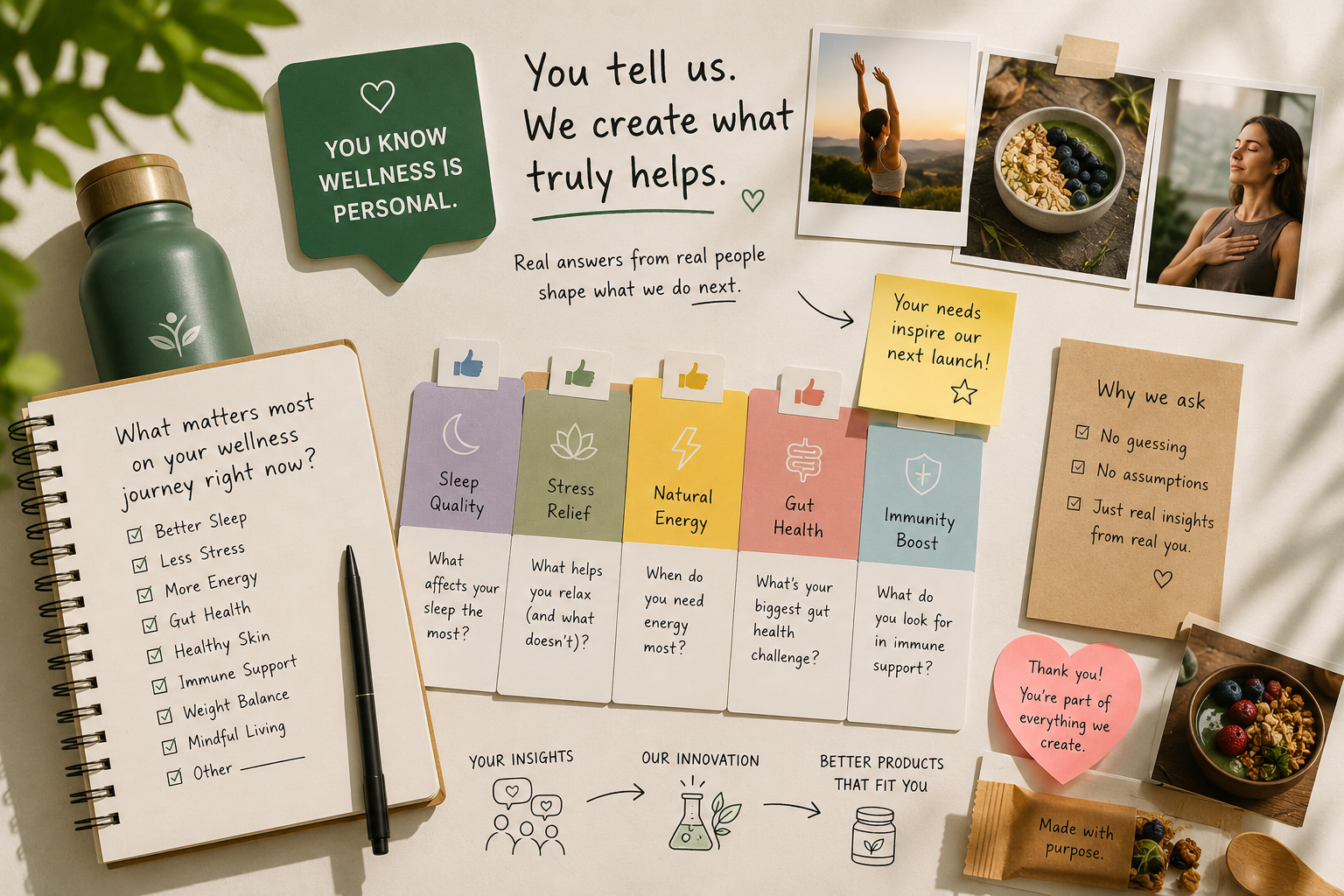
Zero-party data changes the equation entirely. Instead of guessing from behavior, you simply ask. Customers tell you directly what their health goals are, what concerns they have, and what they are looking for in a wellness product. That declared intent is far more valuable than any behavioral inference, and wellness is the category where this approach is most powerful.
What Zero-Party Data Actually Is
Zero-party data is information a customer intentionally and proactively shares with a brand. First-party data is collected through tracking behavior on your site. Second and third-party data is purchased or inferred from external sources. Zero-party data sits in a different category from both.
Furthermore, zero-party data is different in quality. According to Salesforce’s zero-party data guide, experts consider zero-party data more definitive and trustworthy than other data types because it comes directly from the customer. There is no inference involved. The customer told you what they want, need, and prefer. Your recommendations can therefore map to their stated goals rather than to algorithmic guesses.
In wellness specifically, the sources of zero-party data include product recommendation quizzes, health goal surveys, preference centers, intake questionnaires, and post-purchase feedback forms. Each of these collects information that the customer voluntarily chooses to share, usually in exchange for a personalized experience they genuinely want.
Why Wellness Is the Perfect Category for This Approach
Wellness is a deeply personal category. A supplement that transforms one person’s energy levels may do nothing for another. A nutrition plan that works brilliantly for a 35-year-old distance runner is irrelevant to a 55-year-old recovering from joint surgery. Generic product recommendations fail this category more than almost any other.
According to PA Consulting’s 2024 consumer wellness survey, nine in ten consumers want a personalized wellness or fitness product. Additionally, 57% say they are willing to share their personal health data in exchange for that personalization. Two-thirds specifically want personalized vitamins and supplements (67%), tailored nutrition plans (66%), and exercise recommendations based on their sleep quality (65%).
These consumers are not passive. They are actively looking for a brand that will take their individual needs seriously. Moreover, they are ready to provide the information a brand needs to do exactly that. The zero-party data approach meets them where they already are.
At the same time, the McKinsey Future of Wellness 2025 report confirms the broader market context. The global wellness industry has reached $2 trillion. Personalization is one of its primary growth drivers. Brands that deliver genuinely tailored experiences are capturing disproportionate market share. Brands still relying on generic recommendations are losing it.
The Numbers Behind Zero-Party Data in Wellness
The performance data for zero-party data collection in health and wellness is compelling.
Digioh’s 2025 zero-party data research provides two particularly striking case studies. Peak Wellness USA implemented an interactive guided selling quiz to collect zero-party data about customer health goals and lifestyle factors.
The result was a 37x return on investment and a 300% increase in conversions. That lift came entirely from replacing generic suggestions with product recommendations tailored to what customers actually told the brand they needed.
Additionally, Bonafide, a women’s health company, used interactive forms to personalize the shopping experience based on declared health concerns. Their onsite conversion rate increased to 14.8%, a 469% increase, and the zero-party data collection methods now generate 6.64% of their total online revenue.
Furthermore, Shopify’s 2025 wellness trends analysis projects that the customized beauty and wellness market will grow from $43 billion in 2024 to $84 billion by 2029. The brands building zero-party data infrastructure now are positioning themselves to capture a significant share of that growth.
How Zero-Party Data Surveys Work in Wellness
A well-built zero-party data system for a wellness brand uses three core mechanisms.
Product recommendation quizzes. These are the most effective entry points for wellness brands. A visitor takes a short quiz covering their health goals, current concerns, and lifestyle habits. Dietary restrictions are also collected. Based on their answers, the quiz recommends a specific product or bundle tailored to their profile.
According to Okendo’s health and wellness strategy guide, these quizzes scale zero-party data collection by turning the data-gathering process into a value-adding experience that the customer actively enjoys.
Post-purchase surveys. These collect ongoing information about how customers experience a product. Winged Wellness, a women’s wellness brand, asks customers to leave reviews about their specific sleep challenges, including whether they struggle with staying asleep, sleep quality, or physical discomfort.
That data feeds directly into product development and helps segment future marketing by the concerns each customer has explicitly identified.
Preference centers. These allow customers to update their health goals and product preferences over time. A preference center acknowledges that wellness goals change. Someone who was focused on weight management six months ago may now prioritize energy and cognitive function. Keeping zero-party data current ensures recommendations stay relevant rather than becoming stale.
Our marketing automation service at Trigacy connects these data collection touchpoints to the downstream systems that activate the data, including email personalization engines, ad audience segmentation, and product recommendation algorithms.
What to Do With Zero-Party Data Once You Have It
Collecting zero-party data without activating it is the most common failure mode in this space. The data has value only when it changes what the customer experiences next.
Personalized email sequences. When a customer identifies joint health as their primary wellness concern, every subsequent email from the brand should reflect that. Subject lines, product features, and educational content should all connect to their stated concern. Brands that continue sending generic newsletters after collecting specific health profile data are squandering the relationship they started building with the quiz.
Segmented ad audiences. Zero-party data can feed directly into ad platform audience segmentation. Customers who identified weight management as their goal form a separate retargeting audience from those focused on sleep or immune support.
Each segment receives creative content relevant to its stated concern. Our retargeting campaigns at Trigacy build this segmentation layer for wellness brands, ensuring that every paid touchpoint reflects what the customer already told the brand about themselves.
Dynamic website personalization. When a returning visitor has completed a quiz on a previous visit, the homepage and product pages can dynamically prioritize the categories relevant to their health profile. A customer focused on athletic performance sees sports nutrition featured prominently. One focused on sleep sees recovery and sleep products first.
This personalization removes the friction of searching and makes the buying decision feel effortless.
Product development input. Aggregate zero-party data reveals gaps in the product range. When a significant percentage of quiz takers identify a concern that the brand has no direct product for, that is a product development signal far more reliable than sales data alone.
What Most Wellness Brands Get Wrong
Making the quiz too long. A quiz with more than eight questions sees a significant drop-off. The goal is to collect the minimum data needed to make a genuinely useful recommendation. Start with the most important questions and resist the urge to gather everything at once. Additional data can be collected at later touchpoints once trust is established.
Not delivering an immediate, genuine recommendation. If a customer completes a quiz and receives a generic “check out our bestsellers” response, the trust built during the quiz evaporates immediately. The recommendation must be specific, explained by reference to the answers given, and feel meaningfully different from what a generic visitor would see.
Treating zero-party data as a one-time collection event. Health goals evolve. A customer’s concern six months ago may have shifted. Wellness brands that refresh their zero-party data regularly, through preference center prompts, post-purchase surveys, or periodic re-engagement emails, keep their personalization current and relevant.
Not connecting zero-party data to paid media. Many wellness brands use their quiz data to personalize email, but continue running generic paid social campaigns to their entire customer base. Uploading segmented customer lists built from zero-party data to Meta and Google creates far more relevant paid targeting and dramatically improves return on ad spend.
No privacy communication around the data. According to PA Consulting’s research, while most consumers are willing to share health data, a third report having no trust in at least one category of wellness tech. Being transparent about how zero-party data is used, stored, and protected is not just a compliance issue. It is a conversion issue.
Customers who trust a brand with their health information are significantly more likely to complete the quiz and provide accurate answers.
How Qualifying Questions Helped a Consumer Health Brand Generate 25 Qualified Leads Per Month
CGA Weight Loss operates in one of the most personal and sensitive consumer health categories available. Their product is not suitable for every enquirer. The qualification criteria are specific. Broad campaigns that reached the wrong audience produced volume without quality and cost more than the leads were worth.
We rebuilt their acquisition approach around a qualification-first model. Rather than serving generic weight loss ads to a broad audience, we built targeting and creative around the specific profile of a qualified candidate.
Questions about BMI range, previous weight loss attempts, and health history shaped both the ad content and the landing page experience. People who did not match the profile self-selected out early. Those who did match converted at a significantly higher rate because the messaging spoke directly to their specific situation.

The result was 25 or more qualified leads per month at a consistently lower cost per acquisition. More importantly, the leads that came through were genuinely suitable, reducing the time the sales team spent disqualifying enquiries that were never going to convert.
The parallel to zero-party data wellness surveys is direct. Both approaches replace generic outreach with a qualifying question sequence that ensures only the right people reach the recommendation stage. The mechanism differs slightly. The outcome is identical: higher conversion, better customer fit, and a more efficient use of marketing budget.
Book a call with our team to explore how zero-party data collection would work for your specific wellness brand or get to know us.
The Bottom Line
Before investing in any personalization strategy, it helps to be clear on what success actually looks like. Follower growth and quiz completions are not the goal. New customers, repeat purchases, and higher lifetime value are.
The wellness consumer is not looking for another generic recommendation. They are looking for a brand that actually understands their specific health situation and responds accordingly. Zero-party data surveys give wellness brands the direct insight needed to deliver that experience at scale.
The brands building this capability now will have a structural advantage as the wellness market continues to grow. Recommendations will be more relevant. Email open rates will climb. Ad targeting will become more precise. Consequently, acquisition costs will fall and customer lifetime value will rise.
This is not complicated technology. It is a deliberate choice to ask rather than infer, and to use the answers to create experiences that feel genuinely personal.
That is the infrastructure we help wellness brands build through our marketing automation service, retargeting campaigns, sales funnels, social media advertising, and full-funnel demand generation programs.
Let us build it for your wellness brand.
– Blog written by Sarah Joshi