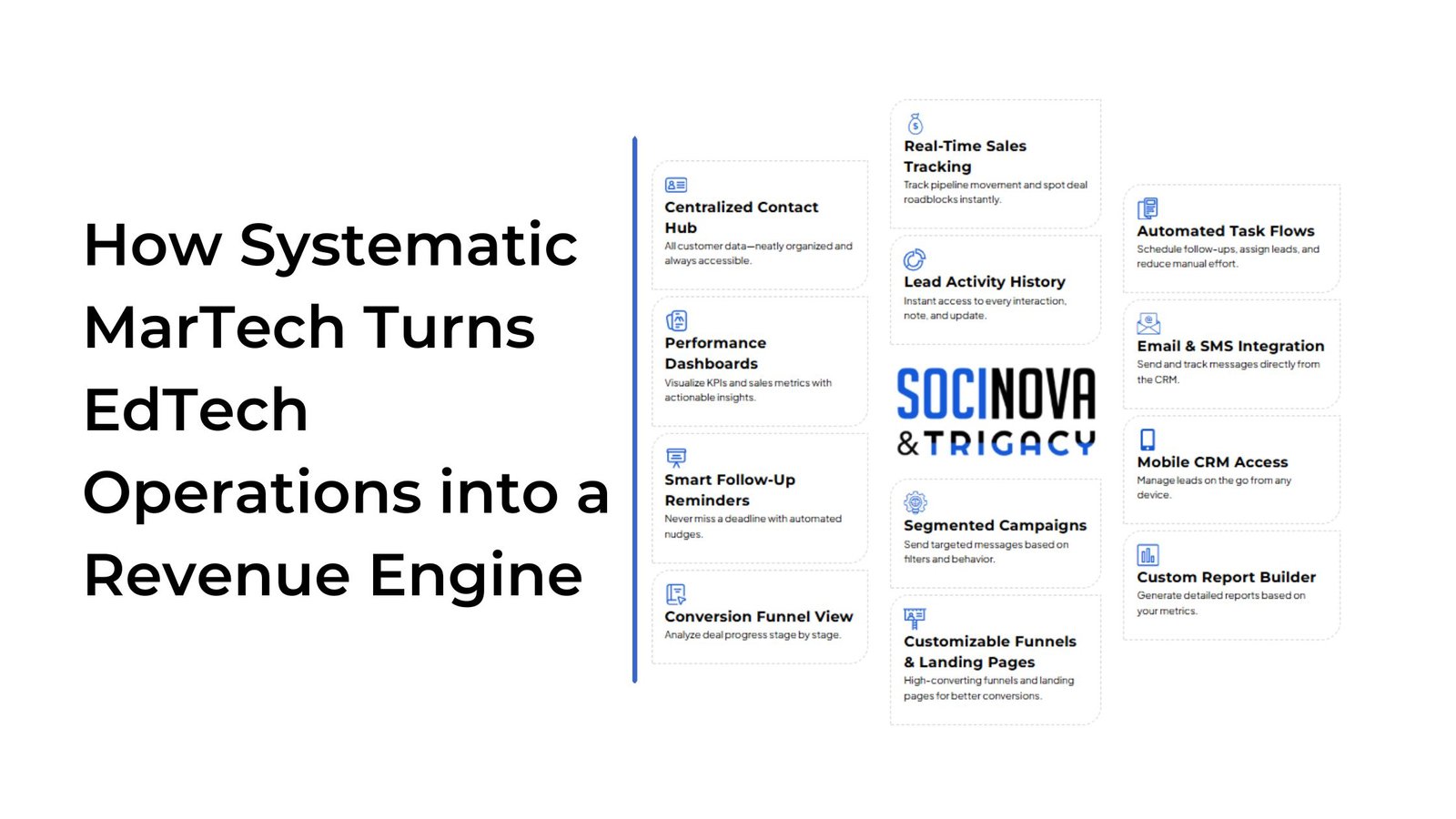
The EdTech sector has moved beyond its “wild west” phase of rapid, unchecked growth. Today, the challenge isn’t just about building a better learning management system (LMS) or a more engaging app; it is about building a sustainable business model.
Many EdTech companies find themselves in a paradox: they have high traffic and great content, but their operations are disconnected from their revenue goals.
This is where Marketing Technology—or MarTech—evolves from a set of tools into a systematic revenue engine.When we talk about “operations,” we aren’t just talking about administrative tasks.
We are talking about the entire lifecycle of a student, from the moment they first click an ad to the day they become a brand advocate.
In a fragmented system, these stages live in siloes. MarTech is the bridge that turns those operational touchpoints into measurable financial growth.
The Fragmentation Gap: Why Operations Often Fail Revenue
In many EdTech startups, the “marketing team” handles the ads, the “sales team” handles the enrollments, and the “product team” handles the learning experience.
The problem is that the data rarely travels between these islands. A student might receive an email about a course they’ve already purchased, or a high-intent lead might sit in a database for three days because the “handoff” wasn’t automated.This fragmentation is a revenue killer.

It increases your Customer Acquisition Cost (CAC) and lowers the Lifetime Value (LTV) of your students. For an EdTech company to be truly profitable, the ratio of LTV to CAC should ideally be greater than 3:1 ($LTV / CAC > 3$).
Achieving this requires a systematic approach where your technology stack manages the operational heavy lifting, allowing your human team to focus on strategy and student success.
Step 1: Data Integration as the Foundation of Revenue
The first way systematic MarTech turns operations into revenue is through the unification of data. Imagine a scenario where your CRM (Customer Relationship Management) is perfectly synced with your LMS.
When a student completes 50% of a free trial module, the system automatically triggers a personalized notification.
This isn’t just “admin work”; it is revenue optimization. By integrating these systems, you can move from generic marketing to Behavioral Triggering. You are no longer guessing what the student wants; you are responding to their actual learning behavior in real-time.
This reduces the friction in the “Lead to Enrollment” pipeline, ensuring that high-intent users are nudged toward a purchase at the exact moment their engagement is highest.
Step 2: Personalization at Scale: The Student Journey
In education, trust is the primary currency. A student isn’t just buying a product; they are investing in their future. Generic, “blast” marketing campaigns often feel cold and transactional, which is the antithesis of what an educational brand should represent.
Systematic MarTech allows for hyper-personalization that feels human but is driven by operations. By using marketing automation platforms, you can segment your audience based on their goals (e.g., career pivoters vs. hobbyists), their learning pace, and even their geographic location.
A “systematic” approach means that if a potential student spends five minutes on a page about “Data Science for Beginners,” the next three touchpoints they receive—whether via email, SMS, or retargeting ads—are specifically tailored to that interest.
This relevance drastically increases conversion rates. Operations become revenue when your systems are smart enough to treat every prospect like an individual, rather than a row in a spreadsheet.
Step 3: Automation of the Enrollment Funnel
The “Operations” side of enrollment is often plagued by manual delays. Waiting for an advisor to call, waiting for a payment to clear, or waiting for a login to be generated can cause a “drop-off” in the funnel.
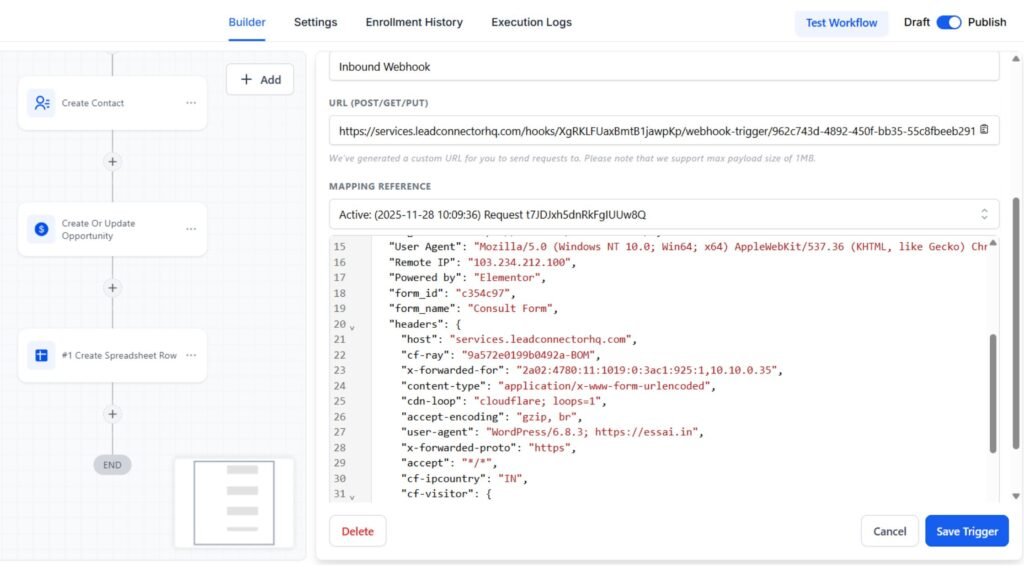
MarTech turns these operational hurdles into a seamless revenue flow through automation.
- Frictionless Payments: Integrating payment gateways directly with your marketing triggers allows for “one-click” upgrades when a student reaches a milestone.
- Automated Scheduling: Instead of back-and-forth emails, MarTech tools allow prospects to book discovery calls directly into an advisor’s calendar the moment they show interest.
- Lead Scoring: Not all leads are created equal. A systematic stack assigns a “score” to leads based on their activity (e.g., downloading a brochure adds 10 points; visiting the pricing page adds 50). The system then prioritizes the highest-scoring leads for the sales team, ensuring they spend their time where the revenue potential is highest.
Step 4: The Retention Engine: Turning Students into Advocates
In EdTech, the real profit isn’t in the first sale; it is in the second, third, and fourth. It is significantly cheaper to retain an existing student than it is to acquire a new one. This is where operations truly shine as a revenue source.
A systematic MarTech stack monitors “Student Health Scores.” If the LMS detects that a student hasn’t logged in for seven days, an automated “re-engagement” sequence is triggered. This might be a helpful tip related to their course or a message from a mentor. By proactively managing the operational side of student engagement, you reduce churn.
Lowering churn directly increases your $LTV$. Furthermore, satisfied students who are consistently engaged by your MarTech ecosystem are far more likely to refer others. By automating the “Refer-a-Friend” process within the student dashboard, you turn your operations into an organic lead generation machine.
The Role of Paid Ads in a Systematic Stack
Paid advertising is often the largest expense for EdTech companies. Without a systematic MarTech setup, much of this budget is wasted on “blind” traffic. However, when your operations and marketing are synced, your ads become much more efficient.By using “Offline Conversion Tracking,” you can feed data from your CRM back into platforms like Google and Meta.
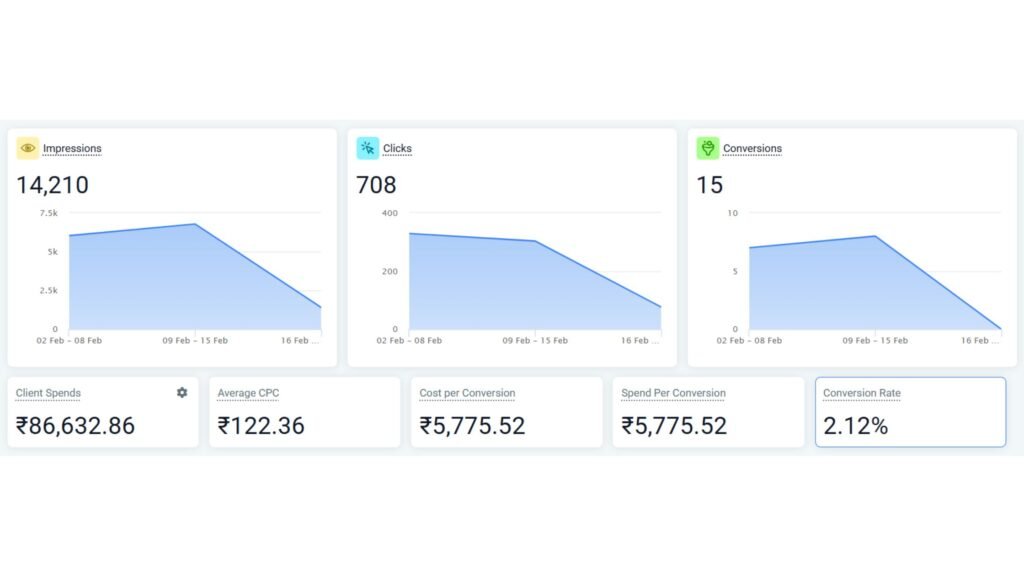
This tells the ad platforms exactly which clicks turned into paid enrollments, not just leads. The algorithm then gets smarter, finding more people who “look like” your paying students. This operational loop creates a “flywheel effect,” where your marketing becomes more profitable every single day.
Conclusion: The Efficiency Play
For EdTech founders and marketing directors, the shift toward systematic MarTech is the ultimate efficiency play. You are essentially building a “Digital Enrollment Officer” that works 24/7 without getting tired.Turning operations into revenue is about removing the gaps.
It’s about ensuring that every piece of data—from a student’s quiz score to their last ad click is used to make their journey smoother and your business more profitable.
When your technology handles the “How,” your team can focus on the “Why”: providing a world-class education that changes lives.The lead mine is no longer just about who has the biggest ad budget; it is about who has the most intelligent system. By integrating your operations with your marketing, you don’t just grow—you scale predictably.
Ready to turn your EdTech operations into a predictable growth engine?
Building a high-performing revenue machine requires a balance of technical infrastructure and a deep understanding of the student journey.
If you are looking to move away from fragmented systems and toward a data-driven ecosystem that scales with your curriculum, a strategic roadmap is the first step.
Book a Free Consultation Call to map out a custom MarTech framework that fits your specific educational niche and enrollment targets.